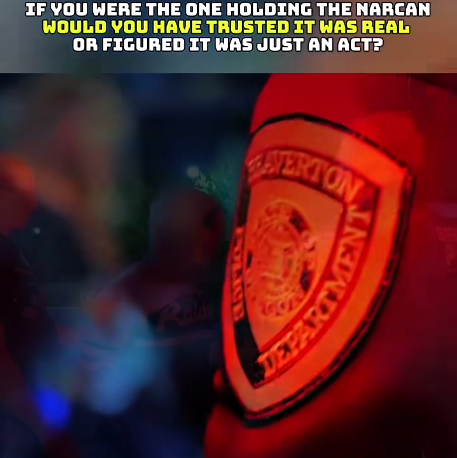
The sirens wail in the distance, but they may not arrive in time. A body lies crumpled on a dirty floor, breath shallow, lips tinged with blue. In the chaos of an opioid overdose, every second is a lifetime. Then someone produces a small device—a nasal spray, unassuming, perhaps even free. It is Narcan, the antidote that can pull someone back from the edge of eternity. But here is the haunting question that hangs in the air like smoke: if you were the one holding that Narcan, would you have trusted it was real, or would you have figured it was just an act?
To understand the weight of this question, you must step into the shoes of someone living on the margins. The world of addiction is a landscape of constant betrayal. Drug users are sold fentanyl disguised as heroin. They are handed pressed pills that look identical to prescription medication but contain lethal doses. They are promised safety and given poison. Trust is a currency that has been devalued into worthlessness. When you have been lied to a hundred times—by dealers, by friends, by the very system that claims to help—your survival depends on skepticism. The first rule of the street is trust nothing and no one.
So when a stranger, a bystander, or even a panicked friend hands you a Narcan kit, your brain does not immediately think “rescue.” It thinks “trap.” Is this genuine medication, or is it a cruel prop? Is this someone trying to help, or is it a setup for a robbery, a police sting, or some twisted prank? The cynicism is not paranoia; it is learned behavior. In the chaos of an overdose, there is no time to check expiration dates, no way to verify the source. There is only the desperate choice between action and hesitation.
The ironic tragedy is that genuine Narcan is more accessible than ever. Public health initiatives have flooded the streets with the antidote. It is distributed at needle exchanges, in homeless shelters, and even in some police cruisers. The goal is simple: save lives, ask questions later. The goodwill is authentic. The movement is real. But for the person holding the device, that reality is obscured by years of trauma. The overdose victim’s life hangs in the balance, and the person with the Narcan must make a split-second decision rooted not in medical training, but in deep psychological scars.
If you trust the Narcan and it is fake, the person dies anyway. If you distrust it and refuse to administer it, the person also dies. The outcome is identical, but the emotional toll is vastly different. Trusting and being wrong makes you feel like a fool. Distrusting and being wrong makes you a killer. The weight of that choice is unbearable. It forces you to gamble with a human life based on nothing more than gut instinct and a lifetime of painful experience.
This is the cruel paradox of the opioid crisis. The cure exists. It is cheap, effective, and widespread. But the cure cannot work if the people holding it cannot bring themselves to believe in it. The overdose victim does not die from a lack of Narcan; they die from a lack of trust—trust that has been systematically destroyed by a world that has failed them at every turn.
In the end, whether you would trust the Narcan or dismiss it as an act is not a question about medicine. It is a question about hope. It asks whether, after all the lies and all the losses, you still believe that something good can come your way without a catch. For too many, the answer is no. And that no is a tragedy far deeper than the overdose itself.