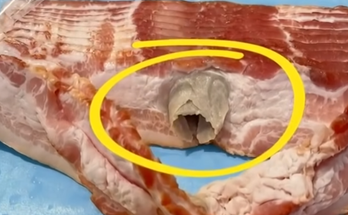
Human cognition possesses an extraordinary capacity for creative problem-solving, yet that same imaginative power frequently works against us. In moments of uncertainty, when faced with an incomplete set of facts or an ambiguous object in our environment, the human brain instinctively fills in the blanks. All too often, it populates those unknown spaces not with logical explanations, but with worst-case scenarios.
An ordinary domestic occurrence—such as cleaning beneath a bedroom wardrobe and encountering an unidentifiable, dust-covered object—can trigger a surprisingly intense cognitive spiral. What begins as idle curiosity can rapidly evolve into catastrophic thinking, offering a fascinating look at the mechanics of threat perception, relationship communication, and the therapeutic power of shared humor.
1. The Cognitive Spiral: Why the Brain Jumps to Extreme Conclusions
When the human mind encounters something unexpected in a familiar environment, it immediately engages in pattern recognition. When an object fails to fit neatly into established mental categories, the brain enters a state of cognitive dissonance.
+---------------------------------------------------------------------------------+
|                       THE STAGES OF COGNITIVE OVERTHINKING                      |
+---------------------------------------------------------------------------------+
| [ AMBIGUOUS TRIGGER ] ──► Unidentified object discovered in a familiar space    |
|            │                                                                    |
|            ▼                                                                    |
| [ THREAT APPRAISAL ]  ──► Brain's amygdala flags the unknown as dangerous       |
|            │                                                                    |
|            ▼                                                                    |
| [ CATASTROPHIZING ]   ──► Imagination invents elaborate worst-case scenarios   |
|            │                                                                    |
|            ▼                                                                    |
| [ REALITY CHECK ]     ──► Open communication reveals a completely harmless truth|
+---------------------------------------------------------------------------------+
1. The Amygdala and Evolutionary Survival
From an evolutionary standpoint, human survival depended on hyper-vigilance. Our ancestors survived by assuming a rustling bush hid a dangerous predator rather than a harmless gust of wind. In modern life, this residual survival mechanism frequently misfires, treating mundane domestic anomalies as potential crises.
2. Catastrophizing and Confirmation Bias
Catastrophizing occurs when an individual imagines the absolute worst outcome of an ambiguous situation. Once this mental spiral begins, confirmation bias takes over: every dust particle, odd contour, or muted color on an unidentified object is re-interpreted as evidence supporting the darkest hypothesis.
+-----------------------------------------------------------------------------------+
|                        COMMON COGNITIVE DISTORTIONS IN DAILY LIFE                 |
+----------------------+------------------------------------------------------------+
| Cognitive Distortion | How It Manifests in Everyday Situations                   |
+----------------------+------------------------------------------------------------+
| Catastrophizing      | Assuming an unusual item represents a dangerous threat.     |
+----------------------+------------------------------------------------------------+
| Jump-to-Conclusions  | Deciding an object's origin without verified facts.        |
+----------------------+------------------------------------------------------------+
| Emotional Reasoning  | Believing that feeling anxious proves a real threat exists.|
+----------------------+------------------------------------------------------------+
2. From Tension to Truth: The Confrontation Phase
The internal build-up before asking a partner about an ambiguous discovery highlights the delicate nature of interpersonal communication. Hesitation often stems from fear—not just of the unknown object itself, but of what the answer might imply for mutual trust.
“Fear thrives in silence and speculation. The moment an assumption is spoken aloud in the light of open conversation, its power to intimidate rapidly vanishes.”
The Impact of Physical Presentation
When presenting a ambiguous item to a partner with dramatic caution—holding it at arm’s length or speaking with a trembling voice—we project our internal panic onto the interaction. This dramatic setup creates a sharp, humorous contrast when the reality turns out to be entirely mundane: a forgotten sticky toy, an old piece of dried craft glue, or a long-lost childhood trinket.
                  [ HIGH INTERNAL TENSION & ANXIETY ]
                                  │
                                  ▼
                  [ TENSE CONFRONTATION WITH PARTNER ]
                                  │
                                  ▼
                  [ IMMEDIATE REVELATION OF HARMLESS TRUTH ]
                                  │
                                  ▼
                  [ ERUPTION OF UNCONTROLLABLE LAUGHTER ]
3. The Therapeutic Function of Laughter in Relationships
The transition from intense anxiety to sudden, uncontrollable laughter is one of the most effective physiological stress-relief mechanisms available to human beings.
+-----------------------------------------------------------------------------------+
|                     THE PHYSIOLOGICAL IMPACT OF RELIEF LAUGHTER                   |
+------------------------------------+----------------------------------------------+
| Biological / Emotional Response    | Relationship & Psychological Benefit         |
+------------------------------------+----------------------------------------------+
| Rapid Cortisol Reduction           | Instantly lowers heart rate and physical    |
|                                    | muscle tension accumulated during stress.    |
+------------------------------------+----------------------------------------------+
| Endorphin & Oxytocin Release       | Strengthens emotional bonding and mutual     |
|                                    | trust between partners.                      |
+------------------------------------+----------------------------------------------+
| Cognitive Reframing                | Transforms a tense, scary situation into an   |
|                                    | enduring, lighthearted inside joke.          |
+------------------------------------+----------------------------------------------+
Why Uncontrollable Laughter Happens
When the brain realizes that a perceived threat is actually harmless, it releases accumulated nervous energy through laughter. This emotional discharge instantly dismantles tension.
Creating Shared “Inside Jokes”
Psychologists specializing in relationship dynamics note that couples who navigate minor misunderstandings with humor develop greater emotional resilience. An awkward moment or ridiculous overreaction transforms into an “inside joke”—a shared story that reinforces companionship and serves as a humorous landmark in the relationship’s history.
4. Practical Framework: De-Escalating Overthinking in Everyday Life
While discovering a harmless childhood relic under furniture makes for a funny story, recurring overthinking can cause unnecessary stress. Developing structured cognitive strategies helps reduce anxiety when confronting unexpected circumstances.
                                  [ ENCOUNTER AN UNKNOWN ANOMALY ]
                                                 │
                   ┌─────────────────────────────┴─────────────────────────────┐
                   ▼                                                           ▼
     [ PAUSE & DEEP BREATHE ]                                    [ GATHER OBJECTIVE FACTS ]
  * Interrupt the automatic panic reaction                    * Observe physical features without judgment
  * Acknowledge that anxiety is a reaction, not proof         * Ask direct, neutral questions early
Steps for Objective Problem-Solving:
- Separate Fact from Fiction: Distinguish between what is physically observed (e.g., “a small, dusty piece of plastic”) and what imagination is adding (e.g., “a dangerous chemical hazard”).
- Apply Occam’s Razor: Recognize that the simplest, most mundane explanation is almost always the correct one.
- Seek Direct Clarity Early: Instead of pacing and building elaborate theories, present questions calmly and directly to get accurate information immediately.
- Embrace Vulnerability and Self-Compassion: Accept that overreacting is a normal human trait. Being able to laugh at oneself when an assumption proves wrong is a key indicator of emotional maturity.
Summary Reflections
Life’s overlooked corners—under wardrobes, behind storage boxes, or in forgotten drawers—frequently hold reminders of our past. While our minds may initially project fear and suspicion onto the unknown, these moments offer valuable opportunities to practice patience, communication, and self-awareness.
The next time an unexpected discovery triggers an internal alarm, take a deep breath, pause your imagination, and seek the facts. More often than not, the “monsters” we fear turn out to be nothing more than dusty, forgotten relics of the past—waiting to be transformed into shared stories, warm memories, and lasting laughter.
What would you like to explore next?
Would you like to explore cognitive strategies for managing daily overthinking and catastrophizing, or dive into the psychology of how humor strengthens long-term romantic relationships?