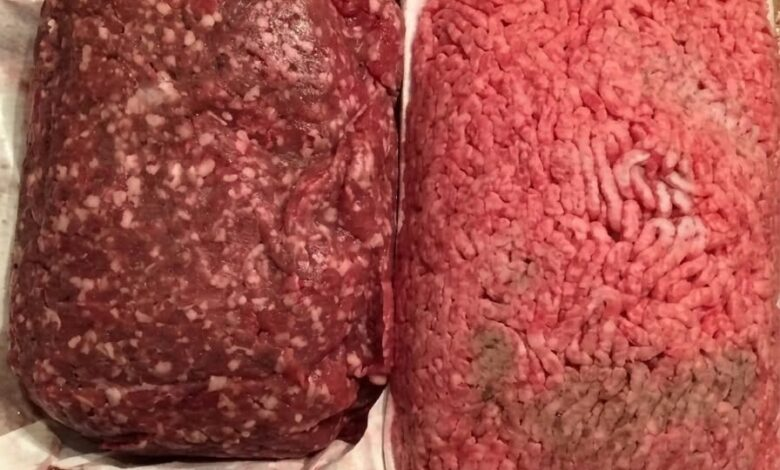
Questions about the origin and quality of supermarket meat can create immediate anxiety because shoppers depend on labels to tell them what they are buying. The source article described allegations that some distributors mixed lower-grade imported meat with higher-quality cuts while packaging and pricing the final product as premium meat.
Order Groceries Online
According to that account, consumers first noticed inconsistent texture, unusual odor, and changes in quality. Those signs alone do not prove fraud or contamination. Meat can vary because of the cut, storage conditions, age, preparation, or packaging method. A confirmed substitution requires traceability records, laboratory testing, or findings from a food-safety authority.
The report placed responsibility primarily on distributors rather than claiming that every supermarket knowingly deceived customers. Modern supply chains involve farms, processors, importers, wholesalers, warehouses, and retailers. A store may receive incorrectly labeled products without knowing their history, although retailers still have a duty to choose reputable suppliers and respond quickly when questions arise.
One important distinction is the difference between safety and quality. A less expensive imported cut is not automatically unsafe. It may meet all legal health requirements while still being materially different from what the package promises. Selling it under a false description would remain a serious consumer-protection issue because shoppers paid for a product they did not receive.
Country-of-origin rules and meat-labeling requirements vary by jurisdiction and product. Fresh cuts, processed foods, restaurant meals, and products repackaged inside a store may be governed differently. Shoppers should read the complete label rather than relying only on large words such as “premium,” “natural,” or “farm fresh,” which may be marketing terms rather than precise guarantees.
Book Sales Coaching
Packaging should identify the product, handling instructions, use-by or sell-by information, and the responsible company. An inspection mark or establishment number can sometimes help trace where meat was processed. Consumers who notice a repeated problem should keep the receipt, photograph the label and lot code, and contact the store or the relevant food-safety agency.
Odor and texture require caution. Vacuum-packed meat can have a temporary smell when first opened, but a persistent foul odor, slimy surface, swollen package, leaking container, or broken refrigeration chain is a reason not to consume it. Cooking does not make every spoiled or mishandled product safe.
Price can provide context but is not proof. A bargain may result from a promotion, a less popular cut, excess inventory, or an approaching sell-by date. Conversely, a high price does not guarantee that sourcing claims are accurate. Trust comes from documentation, consistent standards, and an accountable seller.
Supermarkets responding to a credible complaint should isolate the affected lot, review supplier records, cooperate with inspectors, and notify customers if a recall is necessary. Quietly replacing a supplier without explaining a confirmed labeling problem leaves shoppers unable to determine whether food already in their homes is affected.
The article’s broader warning is useful even when its strongest allegations have not been independently established: transparency matters. Customers deserve to know the species, cut, origin, and processing history represented on a package. Businesses deserve a fair investigation rather than automatic blame based on a viral post.
Select Prime Steaks
The practical response is neither panic nor blind trust. Buy refrigerated meat from clean, established sellers, examine the packaging, transport it home promptly, store it safely, and follow official recall notices. If a product appears wrong, document it and report it. Careful verification protects families more effectively than a frightening headline that provides no brand, lot number, regulator, or test result. Consumers should also avoid spreading claims about a named store or producer without documentation. A false accusation can harm legitimate businesses, while a precise complaint containing the package, date, and lot code gives regulators evidence they can actually investigate.