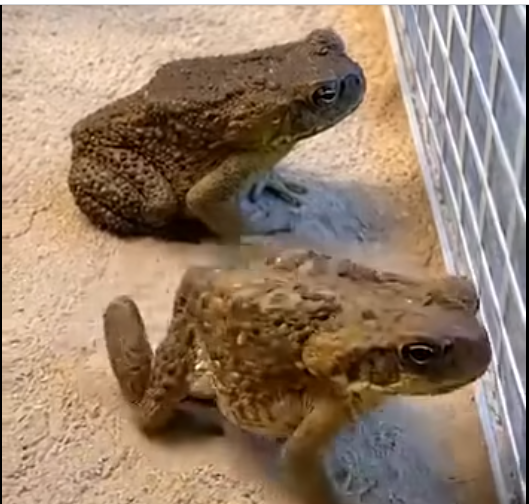
If you’ve noticed a sudden explosion of toads taking over your lawn, patio, or even your pool, you are not alone. This unsettling phenomenon is driven by a perfect storm of environmental factors that can transform your property into a toad metropolis overnight. Understanding the chilling truth behind this invasion is the first step in reclaiming your space.
The Three-Part Attraction: Food, Water, and Shelter
The primary reason toads flock to a property is simple: your yard offers everything they need to survive and thrive. Toads are opportunistic creatures, and they are irresistibly drawn to three key elements .
An All-You-Can-Eat Buffet
Your yard may be an insect haven without you realizing it. Toads are voracious insectivores, consuming a wide array of garden pests like beetles, slugs, snails, grubs, and ants . If you have outdoor lights that attract night-flying insects, you are essentially ringing a dinner bell for hungry toads . A lush garden or a poorly maintained lawn can quickly become a feeding ground that toads find impossible to resist .
The Water Source
Toads, like all amphibians, require water to breed and maintain skin moisture. A pond, a bird bath, a consistently damp area from a dripping AC unit, or even standing water in containers can be a major draw . During breeding season, these water sources become critical, and female toads can lay tens of thousands of eggs, leading to a population boom .
Safe Havens
Toads need places to hide from the sun and predators. They seek out cool, dark, and moist environments like piles of rocks, rotting logs, dense vegetation, mulch beds, or the space under your porch or deck . The more sheltered areas your property has, the more appealing it becomes to a growing toad community.
When It Becomes an “Infestation”
A few toads in the garden are a sign of a healthy ecosystem, but a sudden swarm is often a sign of a population explosion. This is frequently triggered by favorable weather conditions. Mild winters and periods of warm, wet weather create ideal breeding conditions, allowing toads to reproduce earlier and in greater numbers than usual . In some regions, this has led to a “plague” of poisonous cane toads, which can pose a serious danger to pets and children who might come into contact with their toxic secretions .
What You Can Do
To make your property less inviting, start by eliminating their needs. Remove standing water sources, bring pet food inside at night, and reduce outdoor lighting that attracts insects . Clear away piles of debris, logs, and dense ground cover to reduce hiding spots . In extreme cases, pest control professionals may be needed to safely remove large populations, especially of invasive or poisonous species .